


On this page
The B2B SaaS Finance Tech Stack Report: 2026 Edition - Growth Stage ($10M-$50M ARR)
At the Growth Stage, the finance function transitions from "keeping score" to "strategic orchestration." The company is likely expanding the team (Controller, FP&A Manager), opening new entities (UK, EU), and potentially facing rigorous audits (Big 4 or regional).
The stack must support multi-entity consolidation, segment reporting, and robust internal controls. "Hacking it" in spreadsheets is no longer an option; data integrity is paramount.
1. ERP (Enterprise Resource Planning)
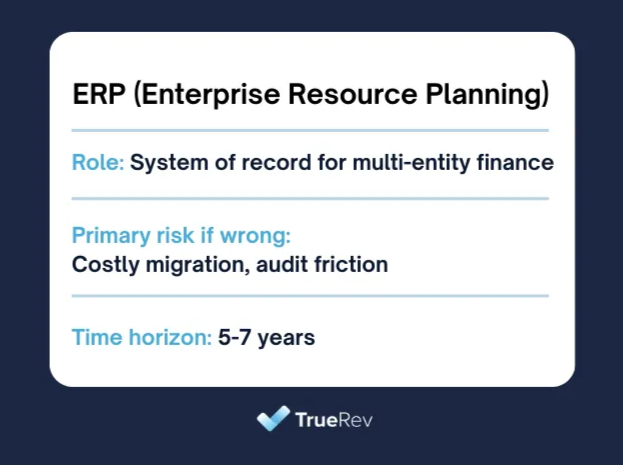
The transition from QBO to a "Mid-Market" ERP is a defining moment. This migration is costly and disruptive, so the choice must last for the next 5-7 years.
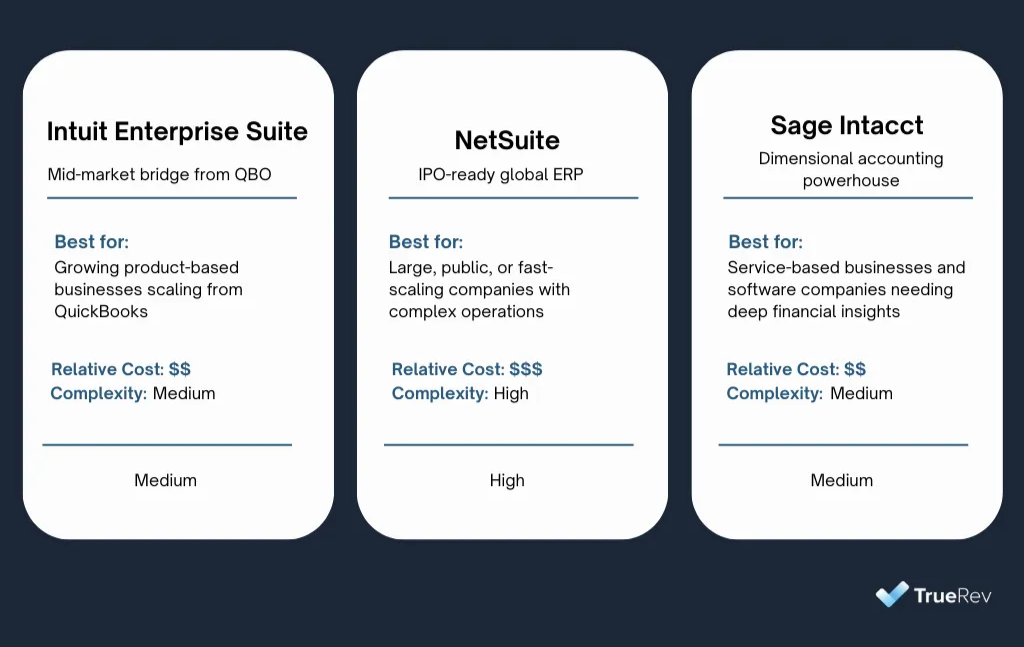
Option 1: Intuit Enterprise Suite (IES)
New for 2025/2026, IES is Intuit's aggressive play to keep growing companies from churning to NetSuite. It bridges the gap by offering multi-entity management, advanced dimensions, and higher transaction limits within the familiar QuickBooks UI. It is strategically positioned for companies that have outgrown QBO's limits but dread the $100k+ implementation cost and complexity of NetSuite.
AI Capabilities (2026):
- Project Management Agent: AI that allocates labor costs to projects automatically for precise gross margin tracking, a critical metric for scaling SaaS.
- Inter-company Automation: AI agents that auto-post elimination entries across entities, solving the biggest pain point of multi-entity QBO and saving days during the close.
Pros & Cons:
- Pros: Familiar interface ensures low training cost; significantly cheaper than NetSuite; built-in multi-entity dashboards simplify consolidation.
- Cons: Still newer than NetSuite (less mature ecosystem); may lack deep industry-specific verticalization (e.g., complex manufacturing).
Pricing:
- Starts ~$7,000 - $15,000/year (vs. NetSuite's $30k+).
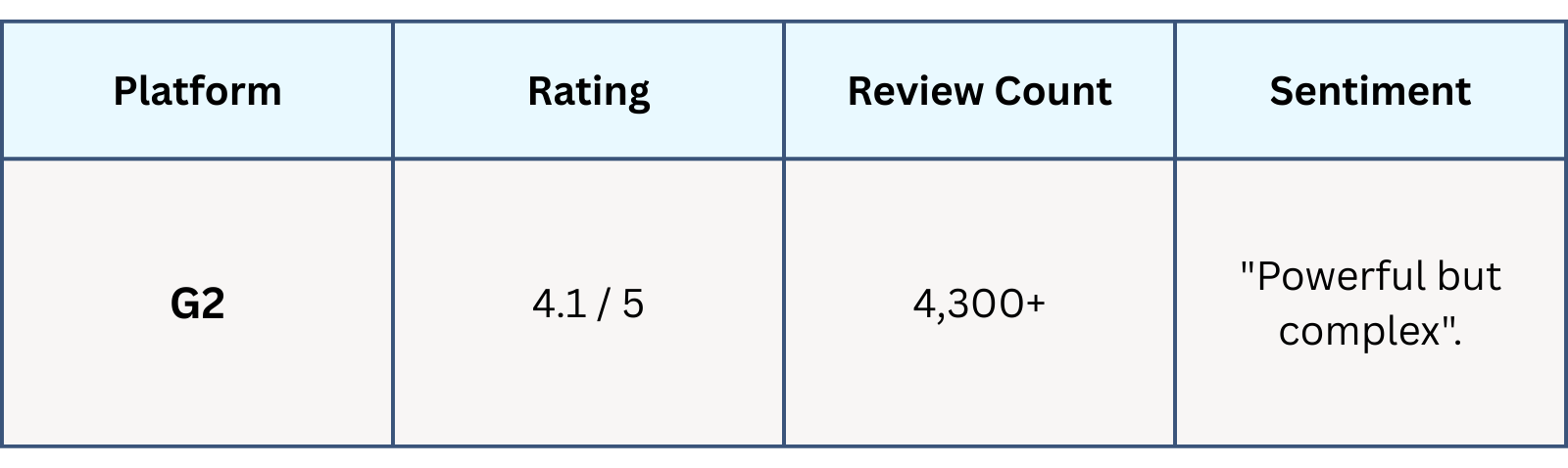
Review Data:
.png)
Option 2: NetSuite
NetSuite is the "Gold Standard" for venture-backed SaaS. If you plan to IPO, you will likely be on NetSuite. It offers strong depth in billing, global tax compliance, and subsidiary management. It is a complete platform with a massive ecosystem of "SuiteApps" that allows you to extend functionality indefinitely.
AI Capabilities (2026):
- NetSuite Text-to-SQL: AI allowing users to query their database in plain English to generate complex reports (e.g., "Show me ARR by region vs last year") without knowing the underlying schema or scripting.
- Supply Chain Intelligence: (Less relevant for pure SaaS, but powerful for hardware-SaaS hybrids) AI predicting stockouts and reorder points based on sales velocity.
Pros & Cons:
- Pros: IPO-ready; highly customizable; massive talent pool of administrators; handles any currency/tax regime.
- Cons: Expensive (implementation often $50k-$100k+); complex UI; "pay for every module" pricing model can lead to ballooning costs, not to mention 3rd party consulting fees.
Pricing:
- Base license + per user fee. Typical TCO for Growth stage is $40k - $80k/year.
Review Data:
Option 3: Sage Intacct
Sage Intacct competes head-to-head with NetSuite and is sometimes favored by CFOs for its "dimensional" general ledger, which allows for tagging transactions (Department, Location, Item) without bloating the Chart of Accounts. It is traditionally seen as stronger in Core Financials and nonprofit/healthcare, but extremely capable in B2B SaaS billing compliance and multi-entity management.
AI Capabilities (2026):
- GL Outlier Detection: The "General Ledger Outlier Detection" uses AI to flag journal entries that look suspicious before they are posted, acting as an automated internal auditor to prevent errors.54
Pros & Cons:
- Pros: Best-in-class dimensional reporting; AICPA endorsed; slightly more user-friendly for pure accountants than NetSuite.
- Cons: Ecosystem is smaller than NetSuite's; operational modules (inventory/manufacturing) historically weaker (though improving).
Pricing:
- Mid-market pricing, generally slightly lower TCO than NetSuite but higher than IES.
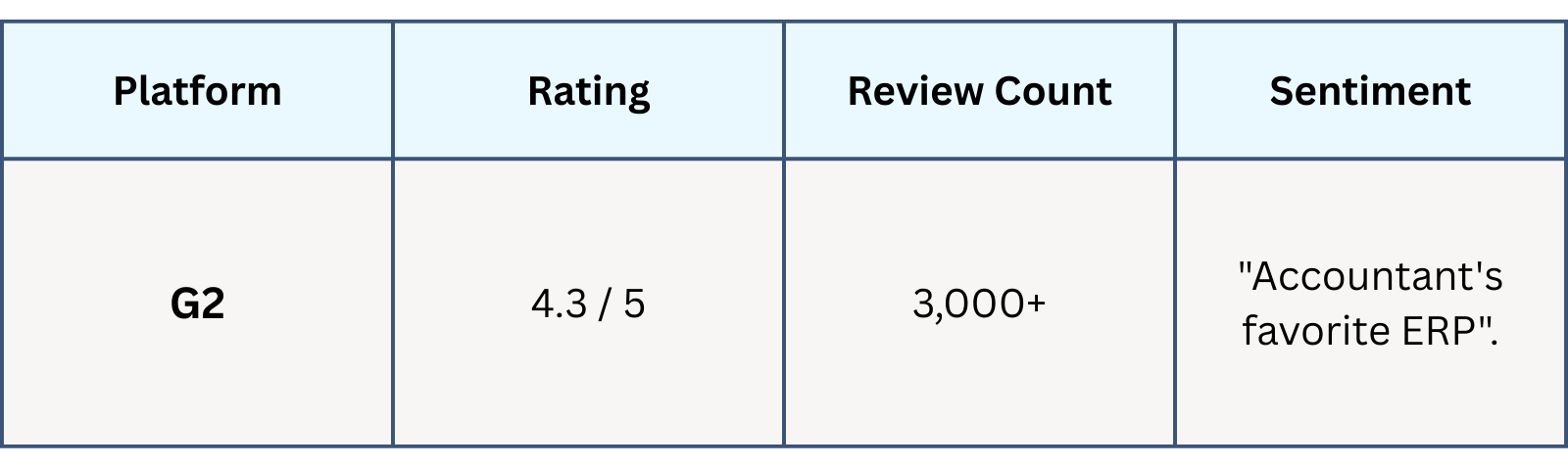
Review Data:
2. Order-to-Cash (O2C)
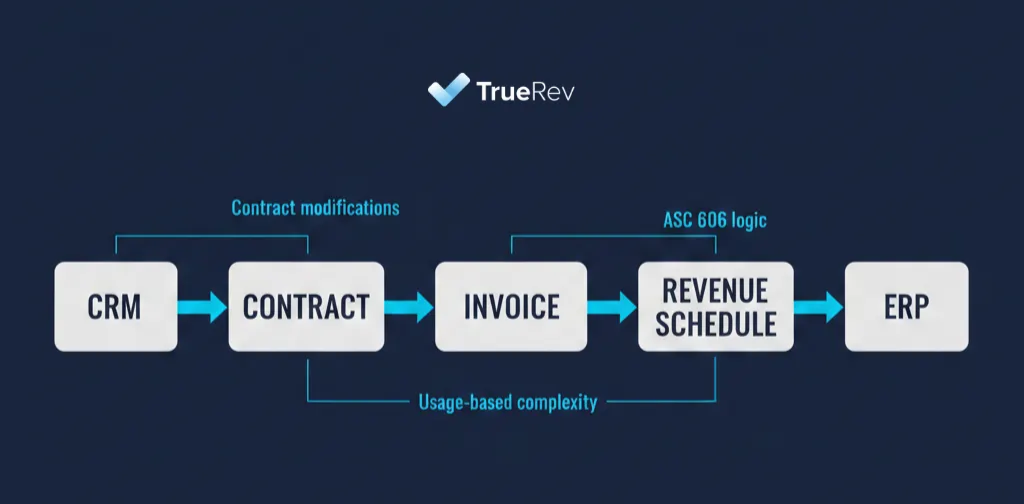
As deal complexity grows (usage-based, minimum commitments, ramps), the O2C tool must handle sophisticated revenue recognition logic (ASC 606) automatically. Spreadsheets are now a liability.
Option 1: TrueRev
Even at the Growth stage, TrueRev remains a potent option, particularly for companies using Intuit Enterprise Suite or those who want to keep their ERP "clean" by handling revenue logic in a specialized sub-ledger. Its ability to handle "Evergreen Contracts" and complex modifications (upsells/down-sells) ensures compliance without the six-month implementation of enterprise billing systems. TrueRev is built for B2B SaaS companies from $1M to $15M ARR, so it fits best at the lower end of the Growth stage, for teams that need enterprise-grade RevRec without enterprise-grade headaches.
AI Capabilities (2026):
- Booking Validation: Automated checks ensuring that booked contracts match the CRM data, flagging discrepancies for review. This "Agentic" quality moves it from a passive ledger to an active auditor.
Pros & Cons:
- Pros: Seamless integration with both QBO and NetSuite; dedicated focus on Revenue Recognition accuracy; high ROI compared to larger suites.
- Cons: Focus is on B2B subscription/contracts; less suited for high-volume B2C transaction processing.
Pricing:
- Scales with revenue; significantly lower TCO than Zuora/Maxio.
Review Data:
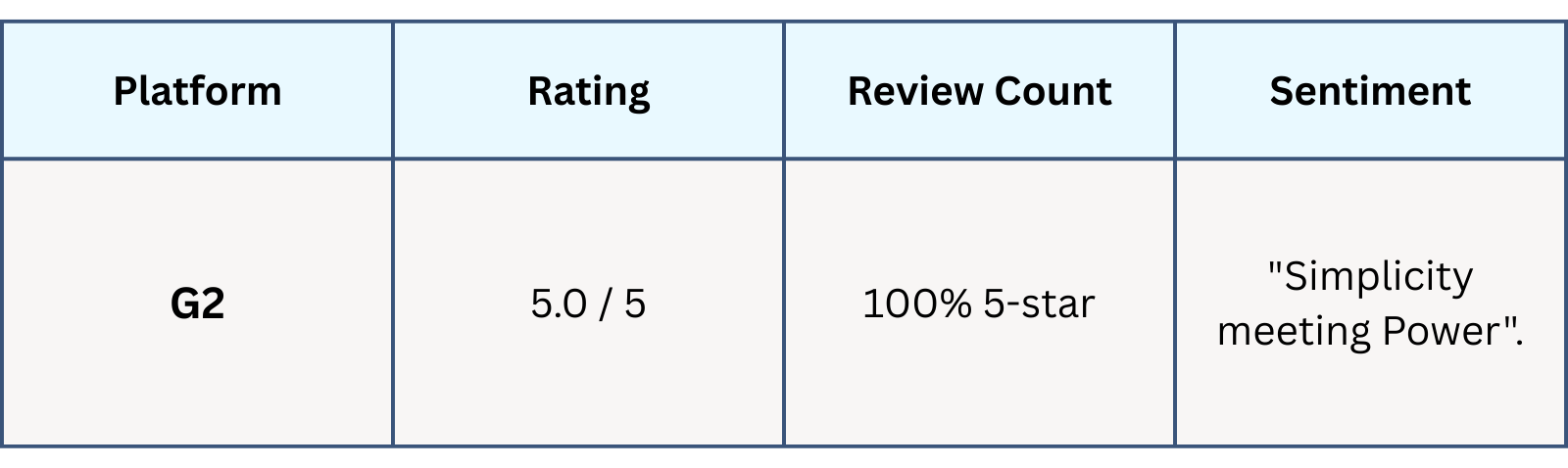
Option 2: Sequence HQ
Sequence HQ is the challenger built for Usage-Based Pricing (UBP). If your pricing model involves "credits," "API calls," or "active users," traditional billing systems struggle. Sequence acts as a "financial data pipe," taking raw usage data, applying complex pricing logic (drawdowns, tiers), and feeding clean invoices to the ERP. It targets the "Modern SaaS" company that views billing as a product feature, not just a back-office function.
AI Capabilities (2026):
- Billing Agents: AI agents that autonomously handle the collections dunning process, drafting personalized emails to slow-paying customers based on sentiment analysis, improving cash collection cycles.
Pros & Cons:
- Pros: Incredible flexibility for usage/metering; modern "Notion-like" quote builder; strong developer experience.
- Cons: Newer player; less established in traditional "flat fee" enterprise contracts compared to legacy players.
Pricing:
- Growth: ~$799/mo.
- Scale: Custom.
Review Data:
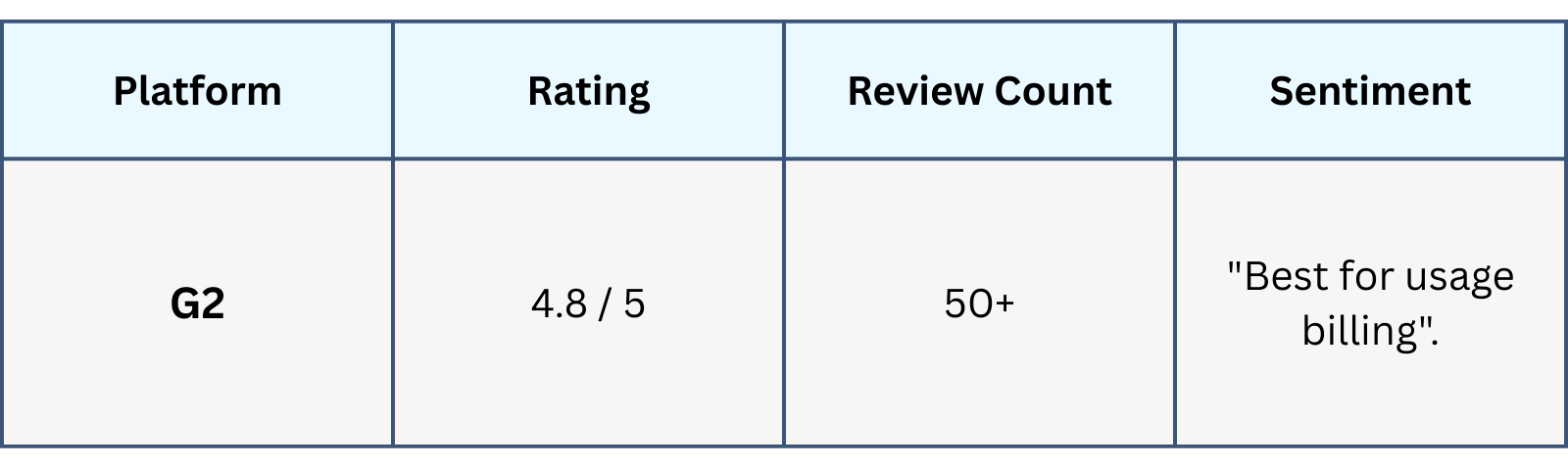
Option 3: Maxio
At the Growth stage, Maxio serves as the comprehensive "Financial Operations Platform." It bridges the gap between a billing engine and a specialized BI tool. Its "Advanced Revenue Management" module is robust enough to handle complex multi-element arrangements (e.g., software + implementation + support), making it a good option for B2B companies with complex sales motions.
AI Capabilities (2026):
- Forecast Confidence: AI algorithms that assign probability scores to renewal forecasts based on customer health signals and engagement data, giving the CFO a "risk-adjusted" view of future revenue.
Pros & Cons:
- Pros: Deep B2B SaaS expertise; combines billing and metrics; excellent investor reporting.
- Cons: Can be complex to configure for non-standard use cases; UI varies between the legacy components (Chargify vs SaaSOptics).
Pricing:
- Scaling pricing based on ARR; typical mid-market contracts range $25k-$40k+/yr.
Review Data:
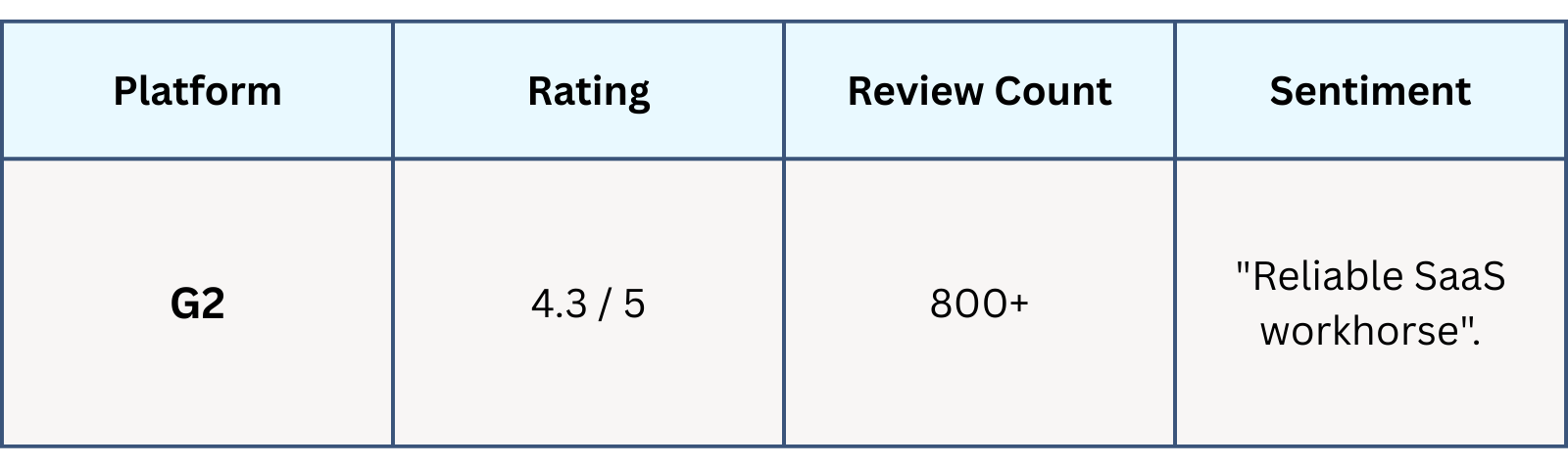
3. Procure-to-Pay (P2P)
Option 1: Airbase
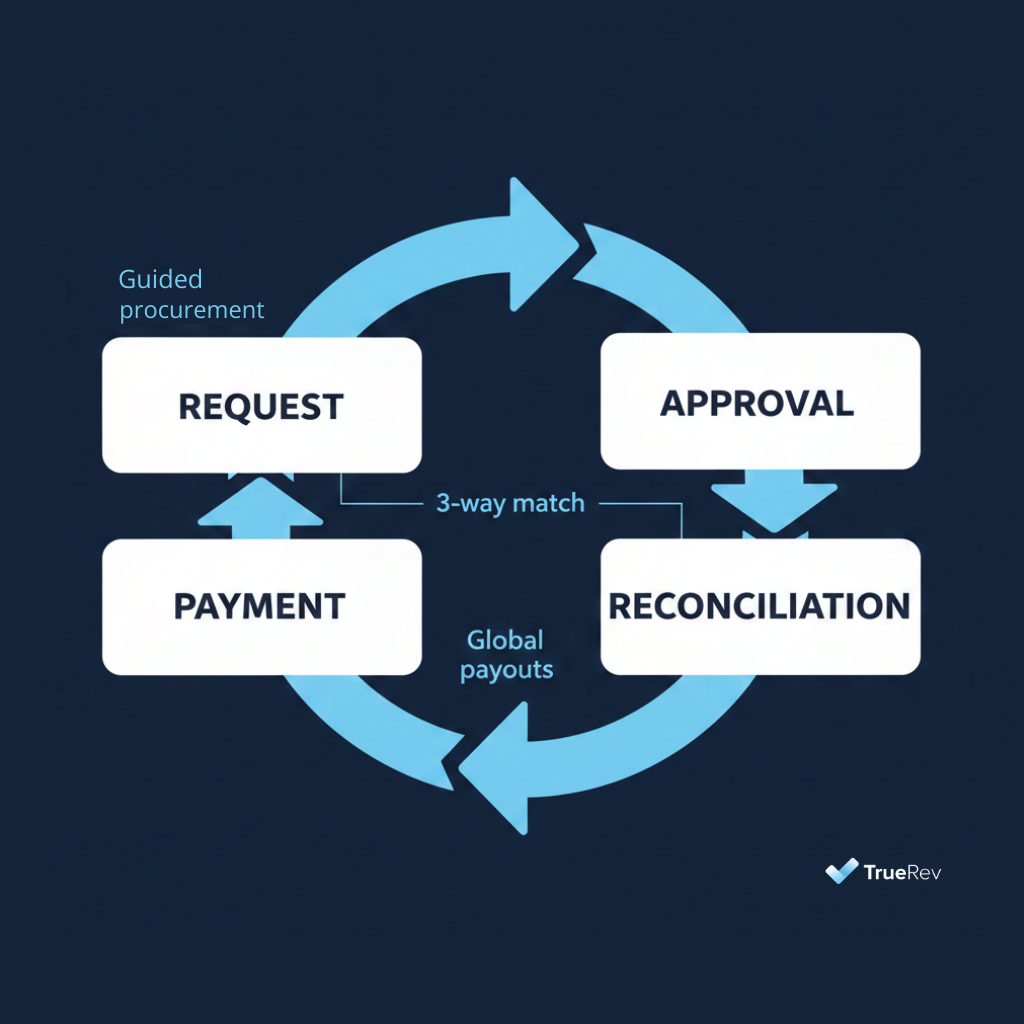
Airbase shines in the Growth stage because of its "Guided Procurement" and deep ERP integration. It supports multi-subsidiary bills, complex amortization of prepaid expenses (e.g., annual software contracts), and 3-way matching of POs. It essentially replaces the need for a dedicated AP clerk by automating the workflow from request to reconciliation.
AI Capabilities (2026):
- Touchless AP: Optical Character Recognition (OCR) combined with AI logic to code, approve, and schedule payments for the majority of invoices without human intervention, handling complexity that simple tools miss.
Pros & Cons:
- Pros: Robust approval workflows; handles international payments well; strong NetSuite integration.
- Cons: UX can feel more "accounting-heavy" than Ramp; implementation takes time.
Pricing:
- Custom annual license fees.
Review Data:
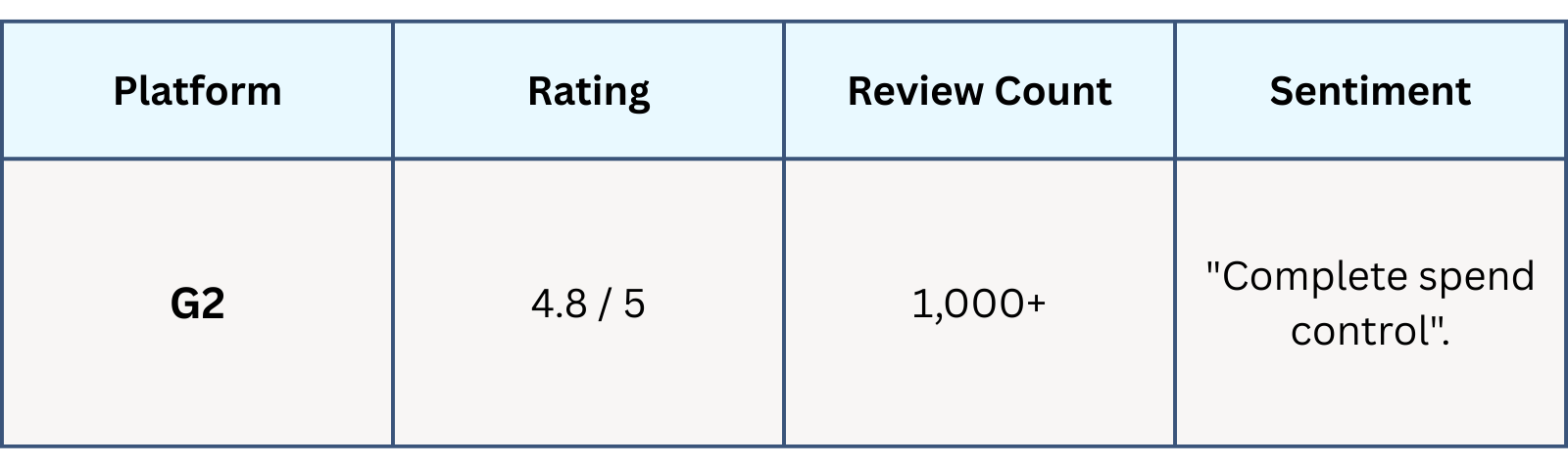
Option 2: Tipalti
Tipalti is the specialist for Mass Payouts and global operations. If your growth involves paying thousands of creators, affiliates, or contractors across 100+ countries, Tipalti is unrivaled. It automates the "last mile" of compliance (W-8BEN collection, VAT id checks) and fraud detection, making it indispensable for marketplace or ad-tech models.
AI Capabilities (2026):
- Payee Intelligence: AI agents that validate payee details against global blacklists and banking formats in real-time, preventing failed payments and reducing operational overhead.
Pros & Cons:
- Pros: Unmatched global remittance capabilities; strong tax compliance automation; fraud protection.
- Cons: Overkill for simple AP needs; UI is functional but less "modern" than competitors.
Pricing:
- Starts ~$149/mo + transaction fees (scales heavily with volume).
Review Data:
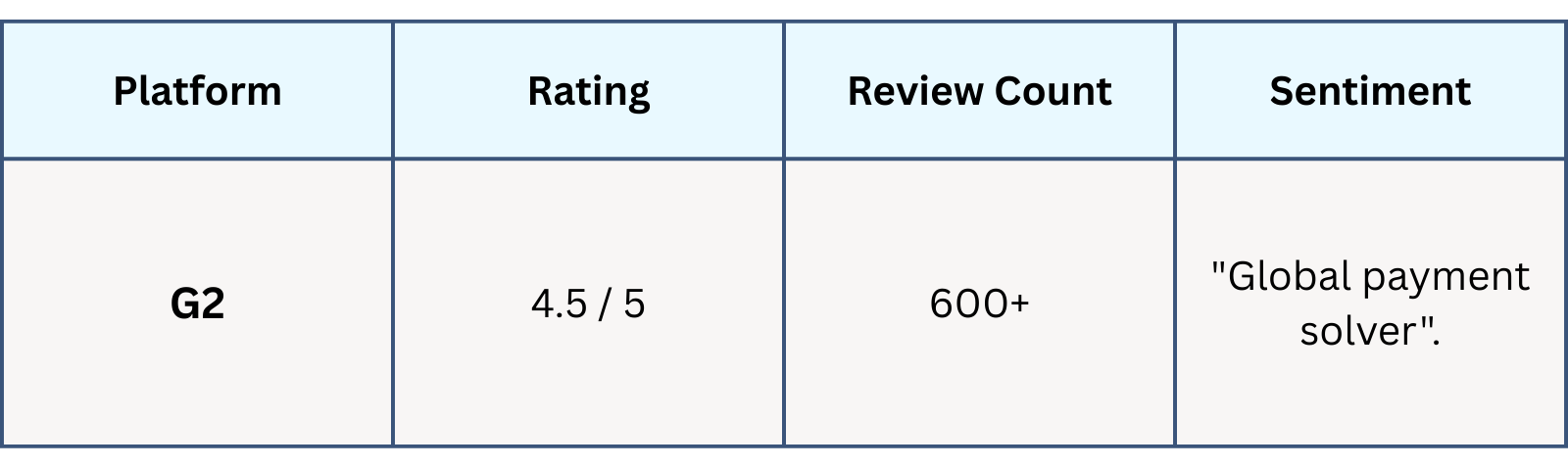
Option 3: Ramp
Ramp scales into the Growth stage via "Ramp Plus." For mid-market companies, Ramp becomes a way to enforce travel policies and procurement approvals without slowing down employees. Its ability to issue "Vendor-Specific Cards" (e.g., a card that only works for AWS) allows for precise budget control while maintaining the user-friendly experience employees love.
AI Capabilities (2026):
- Contract Analysis: Ramp's AI can ingest software contracts, extract renewal dates and terms, and alert you 60 days in advance to negotiate—often providing benchmark data on what you should pay.
Pros & Cons:
- Pros: User adoption is effortless; incredible visibility; cost savings focus.
- Cons: Less robust on the "complex PO/3-way match" side compared to Airbase/Coupa.
Pricing:
- Ramp Plus: $15/user/mo.
Review Data:
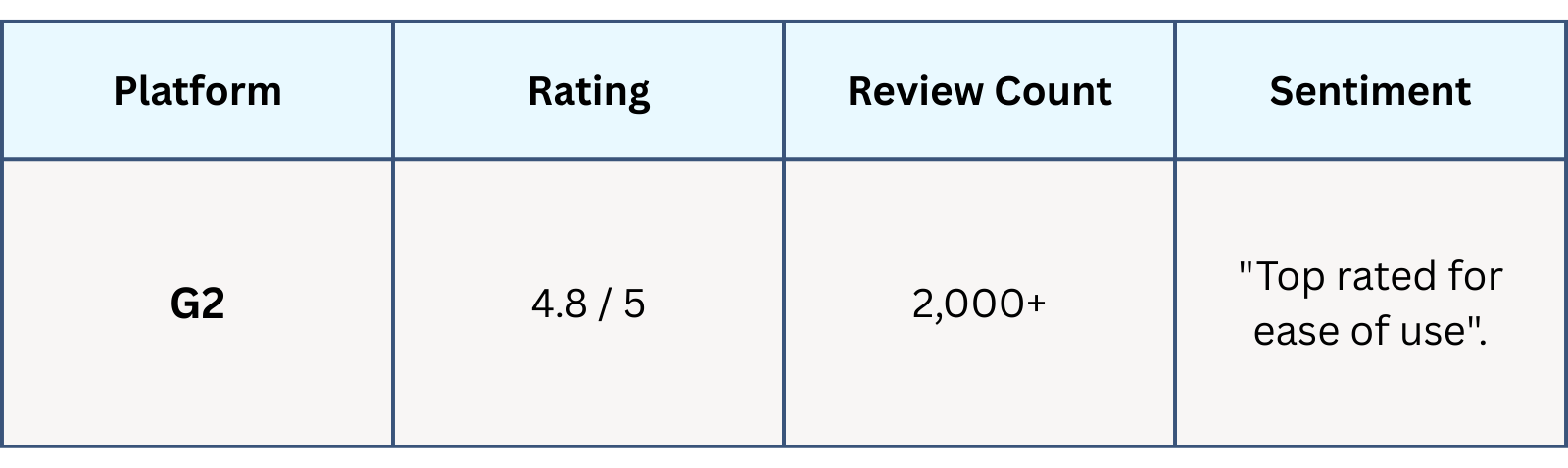
4. FP&A (Financial Planning & Analysis)
Option 1: Mosaic
Mosaic is positioned as the "Strategic Finance Platform" for the mid-market. It acts as a connective tissue, pulling data from the ERP, HRIS, and CRM to provide a real-time view of business health. It is less about "building models" (like Excel) and more about "configuring analyses" using pre-built logic for SaaS metrics, enabling "Strategic Finance" teams to operate without data engineering support.
AI Capabilities (2026):
- Arc AI: An embedded analyst that answers questions like "Why is our burn rate higher this month?" by drilling down into the underlying transaction data and surfacing the specific vendors responsible.64
Pros & Cons:
- Pros: Fast deployment; beautiful board-ready visualizations; strong "out of the box" SaaS logic.
- Cons: Less flexible than Cube for highly custom modeling needs.
Pricing:
- Custom pricing; typically $30k+ annual range.
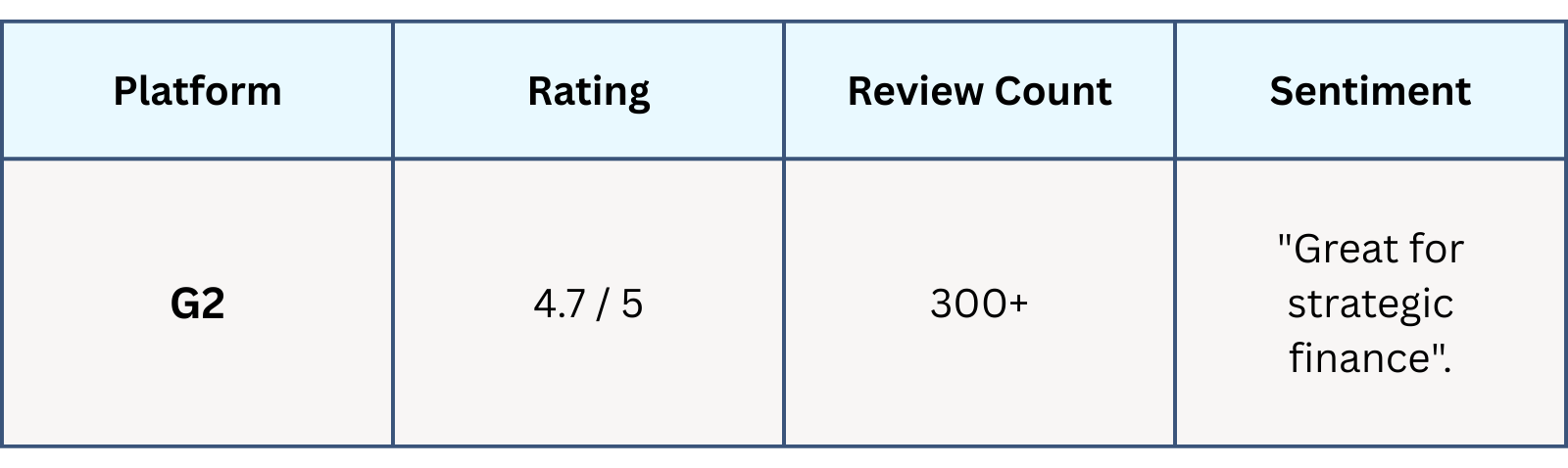
Review Data:
Option 2: Cube
Strategic Positioning:
Cube is the "Spreadsheet-Native" solution for the mid-market. It allows finance teams to keep their complex Excel/Google Sheets models but connects them to a centralized database (the "Cube"). This ensures data integrity without forcing finance pros to learn a new proprietary syntax, offering the best compromise between flexibility and governance.
AI Capabilities (2026):
- Cube AI: Automates the mapping of data imports and provides natural language summaries of variance reports. It can generate first-draft forecasts based on historical seasonality.
Pros & Cons:
- Pros: Keeps finance in Excel (where they are fastest); fast implementation; robust data governance.
- Cons: Visualizations are dependent on your spreadsheet skills (less "dashboardy" than Mosaic).
Pricing:
- Starts ~$30,000/year.
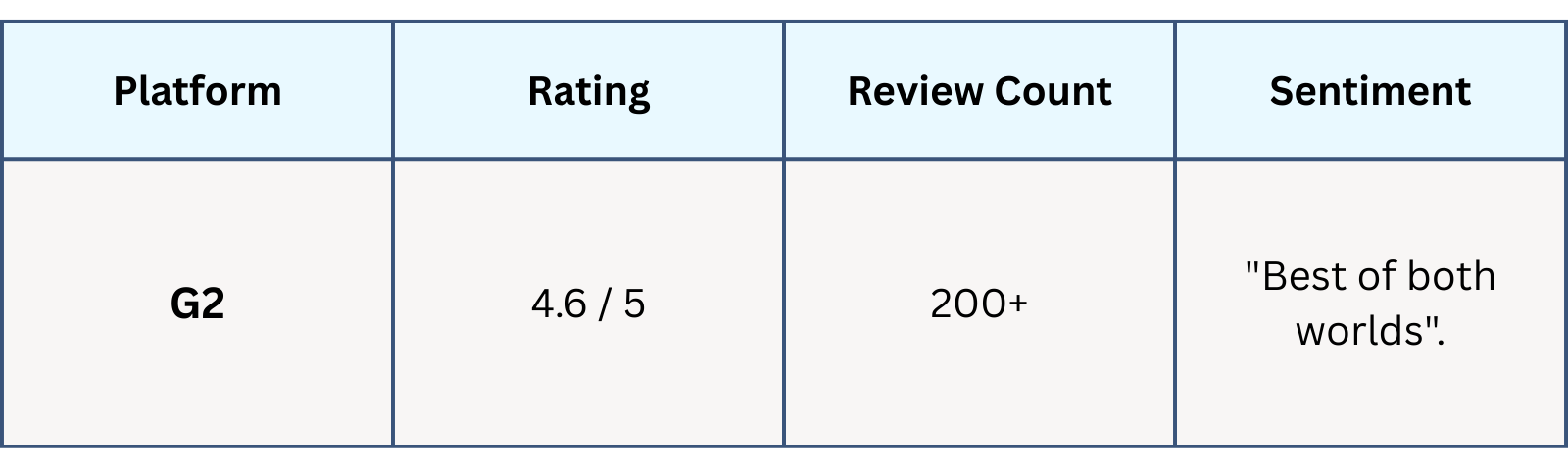
Review Data:
Option 3: Vareto
Strategic Positioning:
Vareto focuses heavily on collaborative planning. It is designed to get budget owners (Marketing VP, Engineering Lead) involved in the planning process. It replaces the endless email threads of "Update your budget" with a collaborative, multi-player workspace, aiming to make finance a partner rather than a policeman.
AI Capabilities (2026):
- AI Reporting: Automatically generates executive summaries and commentary for monthly business reviews, highlighting key drivers of variance so the finance team can focus on strategy rather than writing text.
Pros & Cons:
- Pros: Exceptional collaboration features; modern UI; strong executive reporting.
- Cons: Newer entrant than Adaptive/Planful; focused heavily on the tech vertical.
Pricing:
- Custom pricing.
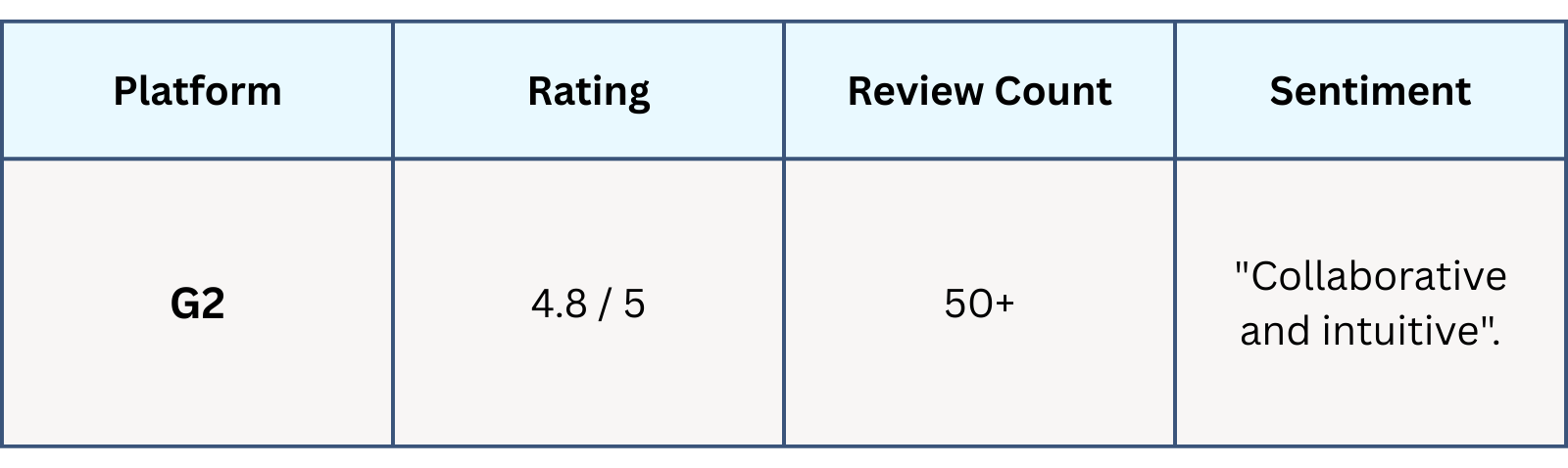
Review Data:
Equity Management
Managing the Cap Table is a critical finance function. The wrong tool here leads to legal bills, messed up 409As, and angry employees.
Option 1: Carta
Carta is the market utility. It holds the vast majority of private company cap table data. If you are venture-backed, your investors likely expect Carta. It offers an end-to-end suite from issuance to 409A valuations to liquidity/tender offers, effectively becoming the "central bank" for private equity.
Review Data:
- G2: 4.5 / 5 (Strong market leader).
- Pros: Investor standard; robust 409A team; liquidity products.
- Cons: Pricing can increase significantly with scale; support has been mixed at times.
Option 2: Pulley
Pulley is the "Founder-Friendly" challenger. It is growing rapidly by offering better pricing, faster 409A turnarounds, and robust modeling tools for founders (e.g., "What happens to my dilution if I raise $5M on $20M pre?"). It is aggressively targeting early-stage startups and Web3 companies with a philosophy of transparency and speed.
Review Data:
- G2: 4.7 / 5 (High satisfaction).
- Pros: Fast support; transparent pricing; great modeling tools.
- Cons: Less network effect than Carta (though growing).
Option 3: Shareworks (Morgan Stanley)
Shareworks (formerly Solium) is the enterprise choice, particularly for companies approaching IPO or public companies. It handles complex global equity plans, ESPPs, and cross-border tax withholding better than startup-focused tools. It is the bridge to the public markets.
Review Data:
- G2: 3.8 / 5.
- Pros: Bank-grade compliance; global capabilities; public market ready.
- Cons: Complex UI; geared towards administrators rather than founders.
Want to see a demo?
we offer a 14-day free trial.