


On this page
Introduction
In 2026, the mandate for the Office of the CFO has fundamentally shifted from retrospective reporting to proactive architectural design. The modern finance leader is no longer just a steward of historical data but the chief architect of a "System of Intelligence"—a connected ecosystem where data flows autonomously between ERPs, billing engines, procurement systems, and forecasting models. The era of the "Controller" as a mere gatekeeper is over; the new standard is the "Strategic Architect."
Over the last three years, the landscape of financial technology has evolved at a velocity previously unseen in the sector. We have moved beyond the era of disjointed point solutions and manual reconciliation that characterized the early 2020s. The defining theme for 2026 is Agentic AI—software that doesn't just assist but acts. We are seeing AI agents that can autonomously categorize transactions, draft renewal contracts, anomaly-check revenue recognition schedules, and surface cash flow risks before they materialize in the bank account.1
.png)
However, this technological explosion has created a paradox of choice. With thousands of fintech solutions competing for market share, building a cohesive stack is more complex than ever. A misaligned stack results in "data silos," where revenue data in the billing system conflicts with the general ledger, and bookings data in the CRM bears no resemblance to the cash flow forecast. The cost of technical debt in the finance stack is no longer just operational inefficiency; it is a strategic liability that can derail fundraising, complicate audits, and obscure vital business signals.
.png)
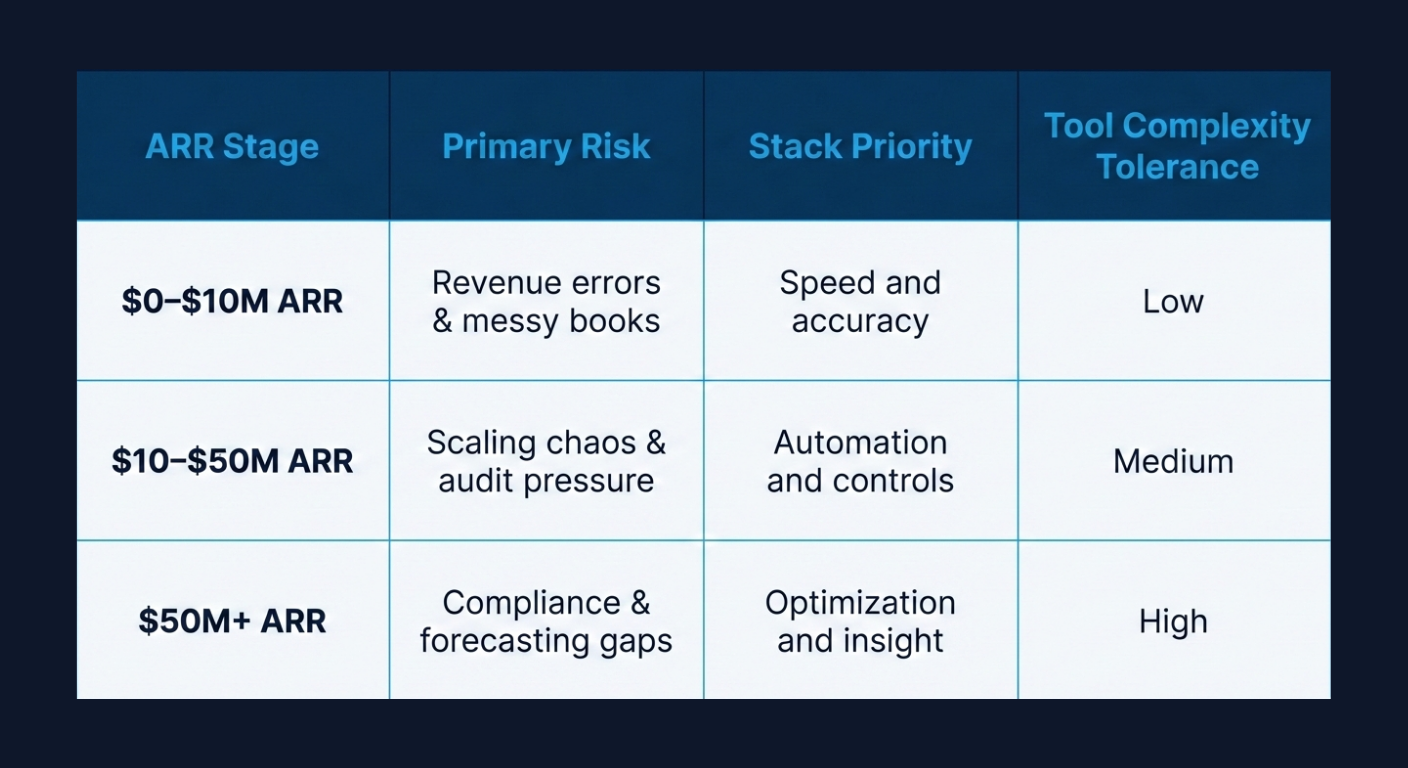
This report acts as a definitive guide for B2B SaaS founders and finance leaders navigating this noise in 2026. It is structured not just by function, but by stage of growth. A $5M ARR startup has fundamentally different needs—and risk tolerances—than a $50M ARR scale-up. We analyze the Finance Stack across four critical pillars: ERP (The Core), Order-to-Cash (The Revenue Engine), Procure-to-Pay (The Spend Control), and FP&A (The Future View), alongside a dedicated analysis of Equity Management. This is an exhaustive, rigorous analysis of the best tools available, grounded in review data and strategic necessity.
Early Stage ($0-$10M ARR)

At the Early Stage, the primary objective for any finance function is velocity. The finance function is often managed by a founder, a fractional CFO, or a very lean in-house team consisting of perhaps one controller. The goal is to establish a "Minimum Viable Finance Stack" that ensures compliance and cash visibility without creating an administrative burden that stifles the company's primary goal: growth.
In this phase, complexity is the enemy. Startups do not need a heavy enterprise ERP implementation that takes six months and costs six figures. They need agility. The stack must be easy to implement—measured in weeks, not months—cost-effective, and sufficiently robust to handle the first serious audit (usually Series A+ or B). The priority is establishing a clean "Source of Truth" for cash and GAAP revenue, even if the transaction volume is relatively low. The tools selected here must balance ease of use with the ability to scale just enough to reach the next significant milestone.
1. ERP (Enterprise Resource Planning)

The ERP at this stage is the general ledger—the central repository for all financial transactions. It is the "source of truth" for the balance sheet and income statement. The choice here dictates the integrations available for every other tool in your stack.

Option 1: QuickBooks Online
QuickBooks Online (QBO) remains the de facto standard for early-stage SaaS companies, particularly in North America. Its ubiquity is its greatest strength; nearly every fractional CFO, tax accountant, and third-party app integrates with QBO out of the box.
For a B2B SaaS company under $10M ARR, the QBO Advanced tier provides sufficient dimensionality—using "Classes" for departments and "Locations" for geographies—to track rudimentary SaaS metrics without the overhead of a mid-market ERP. In 2026, Intuit has aggressively integrated "Intuit Assist," an AI-driven layer that automates categorization and anomaly detection, attempting to transform the platform into a "self-driving" ledger for simple transactions.
AI Capabilities (2026):
- Intuit Assist: This is a generative AI that offers "done-for-you" workflows. It acts as a virtual financial assistant, capable of drafting invoice reminders, categorizing expenses based on history, and flagging cash flow anomalies before they become critical issues.
- Anomaly Detection: The "Accounting Agent" continuously scans the GL for duplicate entries or misclassified expenses, effectively reducing the month-end close burden by proactively cleaning the books.
Pros & Cons:
- Pros: Universal accountant familiarity means hiring support is incredibly easy; massive integration ecosystem ensures almost any tool connects to it; rapid setup allows companies to be operational in minutes.
- Cons: Limited multi-entity consolidation capabilities often require messy workarounds or third-party tools; weaker audit trails compared to NetSuite make it less desirable for later-stage due diligence; performance lags can occur with high transaction volumes.
Pricing:
- Simple Start: ~$35/mo.
- Essentials: ~$65/mo.
- Plus: ~$99/mo (The most common tier for SaaS startups).
- Advanced: ~$235/mo (Adds dedicated support and deeper reporting).7
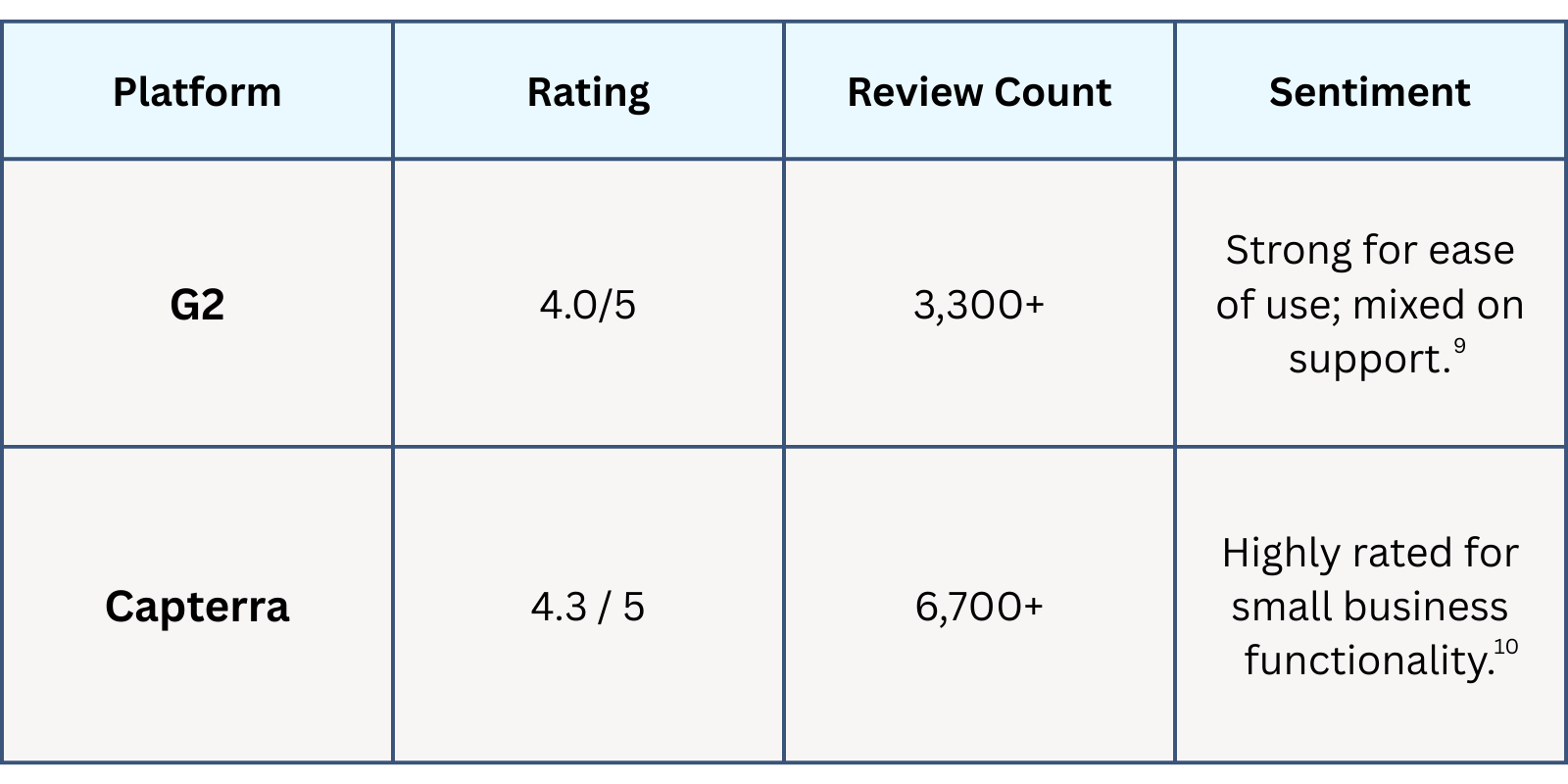
Review Data:

Option 2: Xero
Xero is the preferred alternative for companies with an international footprint or those who prioritize user experience (UX) over ubiquity. Based in New Zealand, Xero handles multi-currency and global banking feeds often better than QBO, making it a favorite for startups with remote teams or customers in multiple jurisdictions. Its "open API" philosophy means it often connects more reliably to niche SaaS tools. For early-stage startups that value a clean, design-forward interface and robust reconciliation features, Xero is a formidable choice.
AI Capabilities (2026):
- JAX (Just Ask Xero): An advanced generative AI companion introduced to automate repetitive tasks. JAX allows users to interact with finance data using natural language (e.g., "Draft an invoice for Client X" or "What is our burn rate this month?") and automates bank reconciliation predictions.11
- Hubdoc Integration: Built-in AI for extracting data from bills and receipts, automating the AP entry process directly into the ledger, ensuring documents are attached to transactions seamlessly.
Pros & Cons:
- Pros: Superior UI/UX often cited by founders; strong multi-currency handling; unlimited users on most plans avoids the "per seat" tax; robust ecosystem of "connected apps."
- Cons: Reporting customization can be less flexible than QBO's advanced tiers; less ubiquitous among US-based tax CPAs, which can create friction during tax season.
Pricing:
- Early: ~$15/mo.
- Growing: ~$42/mo.
- Established: ~$78/mo (Includes multi-currency).7
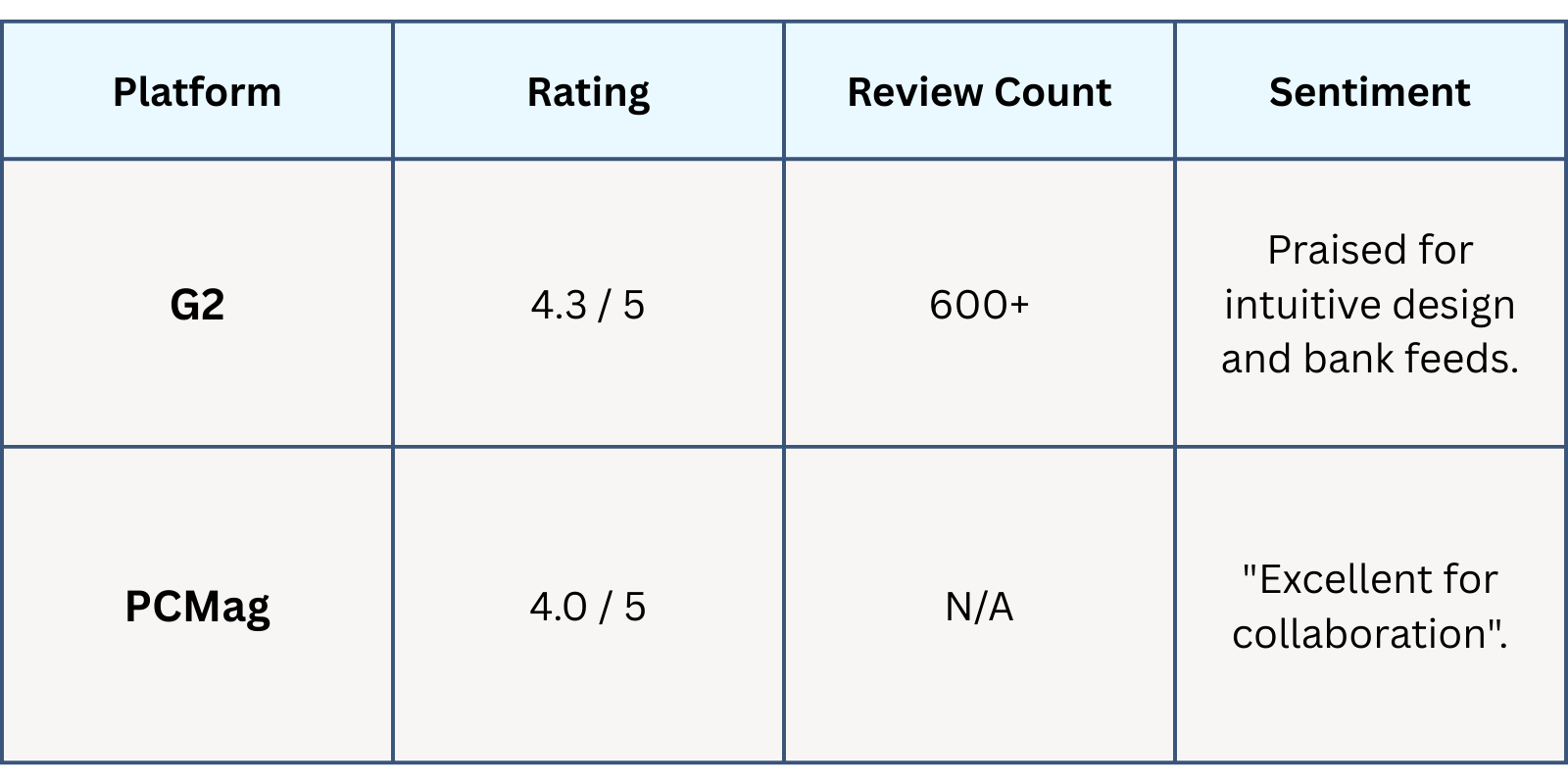
Review Data:

Option 3: Rillet
Rillet is a modern, AI-native entrant specifically designed for high-growth SaaS and usage-based businesses. Unlike QBO or Xero, which are generalist tools for plumbers and coffee shops as well as tech companies, Rillet is purpose-built to handle the complexities of SaaS businesses and multi-entity consolidation from Day 1. It positions itself as an "ERP wrapper" that automates the journal entries for revenue and payroll, effectively automating the "gluing" of systems that usually requires a human controller.
AI Capabilities (2026):
- Autonomous Accounting: Rillet claims to automate nearly 100% of revenue journal entries by reading contracts and invoices directly. It uses LLMs to interpret contract terms and apply the correct revenue recognition schedule automatically.
- Flux Analysis: AI automatically generates explanations for month-over-month variances in the P&L (e.g., "Hosting costs increased 15% due to vendor AWS"), saving CFOs significant time during investor reporting.
Pros & Cons:
- Pros: Built specifically for SaaS (handles ARR/MRR/Deferred Revenue natively); automates complex accounting logic; zero-touch integration with Stripe/Salesforce.
- Cons: Newer to market, meaning a shorter historical track record; smaller ecosystem of third-party apps and consultants compared to the massive QBO/NetSuite networks.
Pricing:
- Pricing is generally custom but positioned competitively against the "QBO + Add-ons" stack cost structure, typically scaling with revenue volume. May exceed $1,000/month after a company hits a certain revenue threshold.
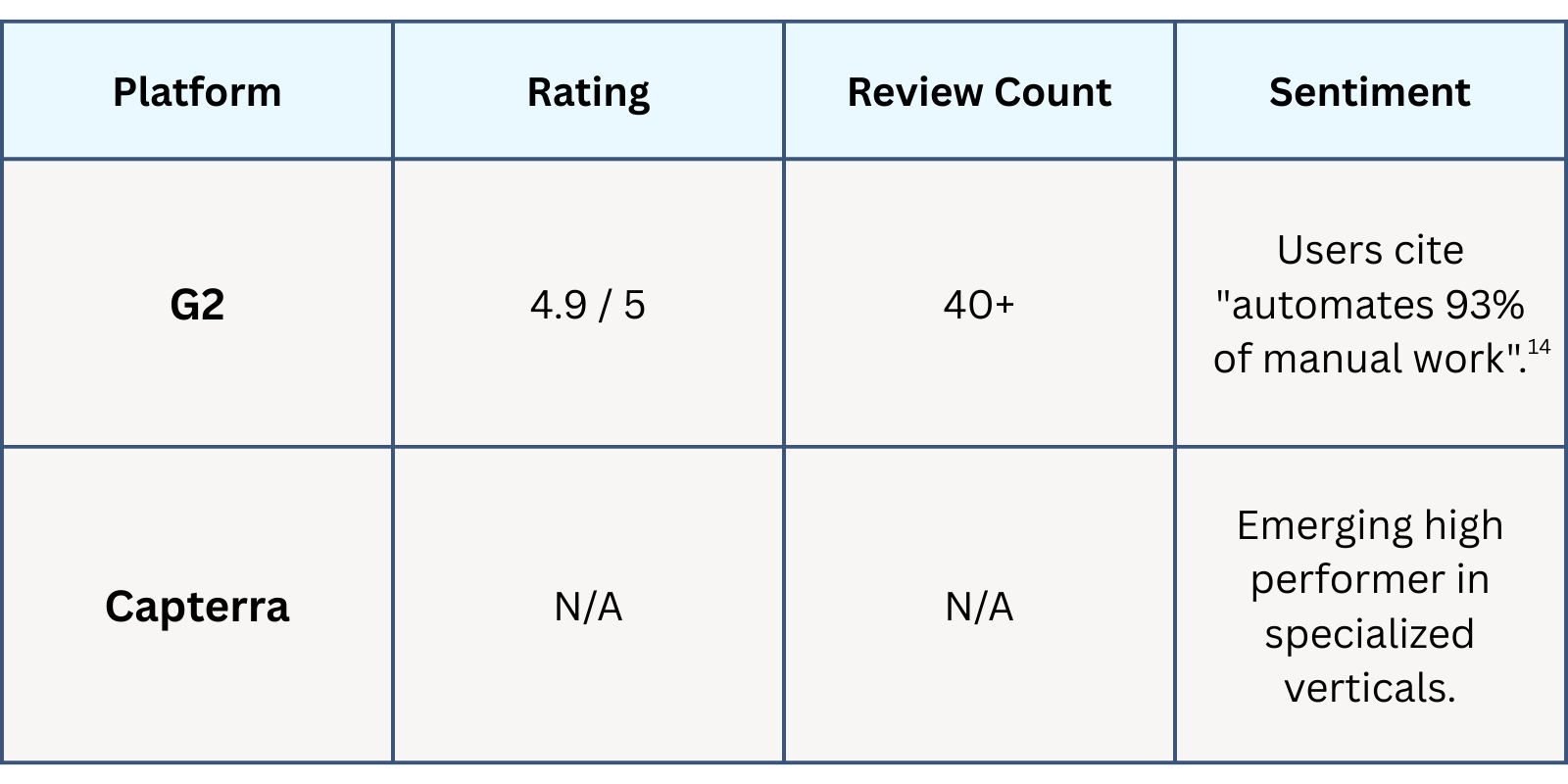
Review Data:
2. Order-to-Cash (O2C)
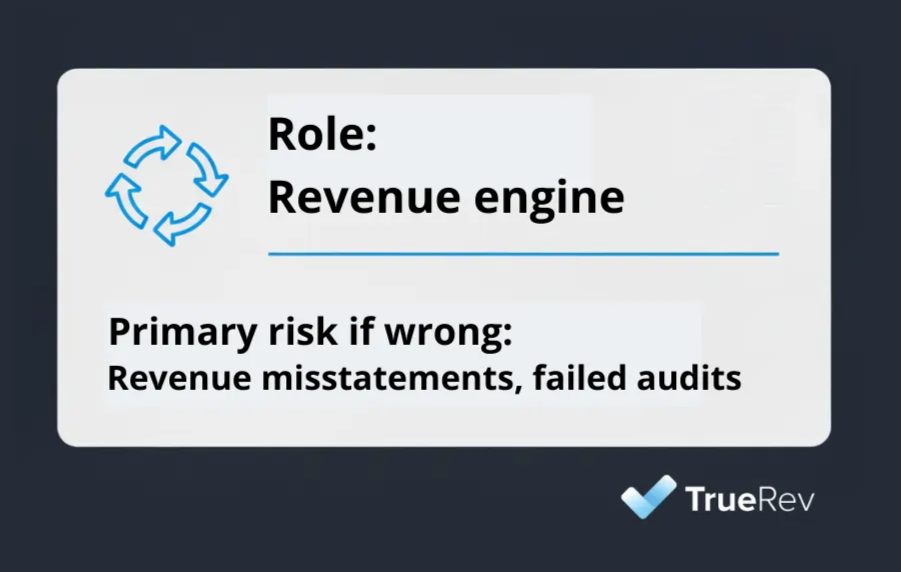
This is the heartbeat of a SaaS company. Managing subscriptions, billing, and revenue recognition in spreadsheets is the single biggest risk to a Series A audit. Errors here translate directly to revenue restatements.
.png)
Option 1: TrueRev
TrueRev is architected for the QBO ecosystem, acting as the "missing sub-ledger" for SaaS. It bridges the gap between the CRM and the ERP. TrueRev is ideal for startups that need audit-ready revenue recognition (ASC 606) and real-time SaaS metrics (ARR, Churn, Retention) without implementing a heavy billing system. It is powerful yet designed to be lightweight, sitting alongside the GL to ensure bookings and billings reconcile perfectly with revenue. It targets the founder or finance lead who wants "Enterprise features at SMB prices."
AI Capabilities (2026):
- AI Contract Ingestion: While specifics on "Agentic" features are evolving, TrueRev leverages intelligent workflows to read contract data and automate the creation of revenue schedules, eliminating the "spreadsheet error" risk inherent in manual calculations.
- Real-time Metrics: Automates the calculation of rigorous SaaS metrics (Net Retention, CAC payback) which are critical for early-stage fundraising, providing a live view of business health.
Pros & Cons:
- Pros: Rapid implementation (connects to QBO in minutes); specifically designed for B2B SaaS audits; highly affordable; excellent support noted by users.
- Cons: Not a payment gateway (focuses on the ledger/revenue side); primarily focused on the QBO ecosystem, though this focus is a strength for this specific stage.
Pricing:
- Starting: $3,000/year ($299/mo) billed annually. One plan includes the most useful features (Rev Rec, Metrics, Invoicing), providing transparency and predictability.
Review Data:
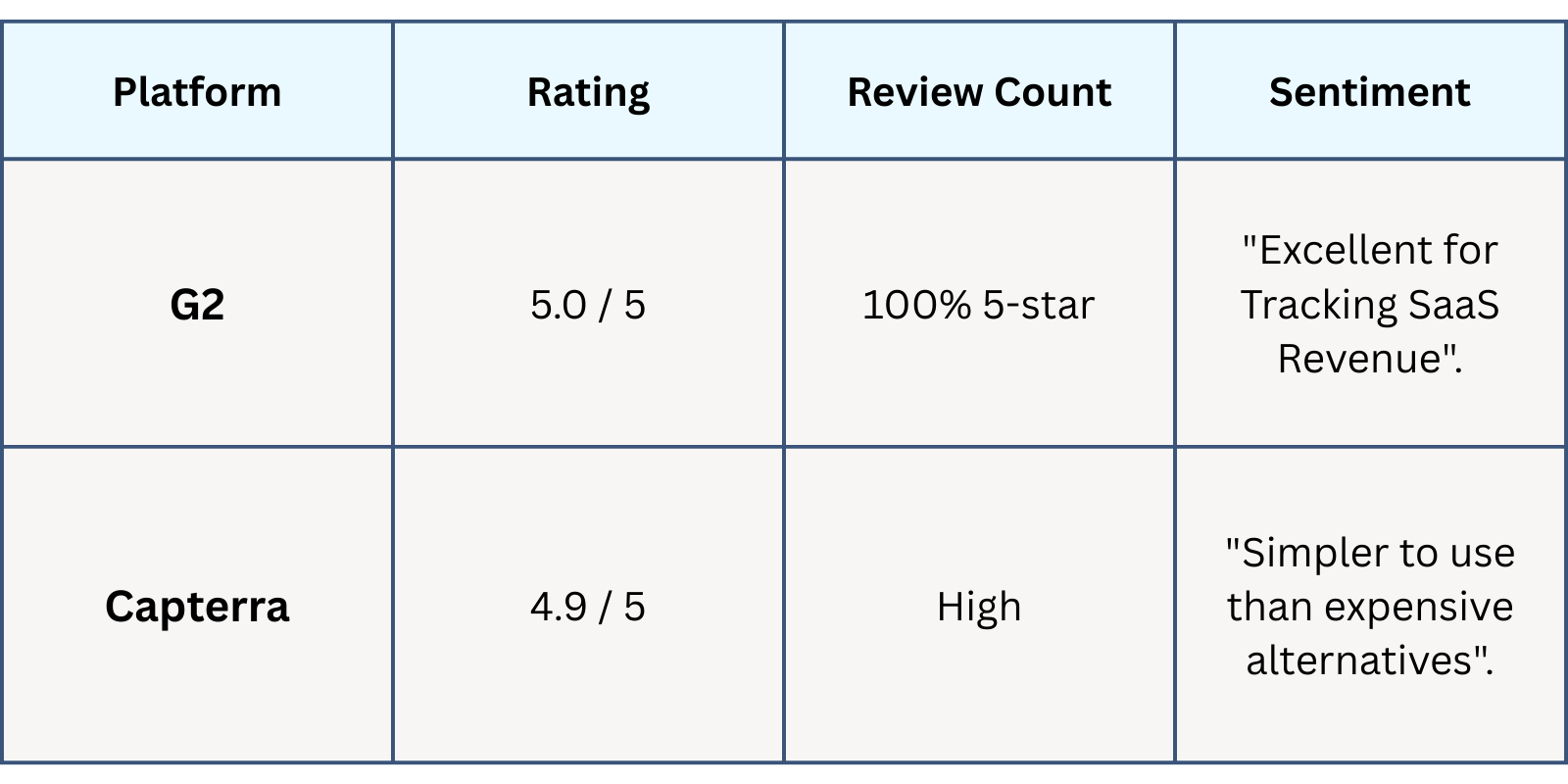

Option 2: Maxio (formerly SaaSOptics/Chargify)
Maxio is the result of the merger between SaaSOptics (financial operations) and Chargify (billing). For early-stage companies, it offers an "all-in-one" platform that handles complex billing scenarios (usage-based, tiered) and financial reporting. It is well-suited for B2B SaaS companies that have complex billing needs that simple Stripe subscriptions cannot handle, positioning itself as a platform that can take a company from $1M to $100M.
AI Capabilities (2026):
- Smart Collections: AI-driven dunning management to recover failed payments by predicting the optimal time to retry charges based on historical success rates.
- Revenue Intelligence: Analytics that predict future churn risks based on usage patterns and billing interaction history, allowing customer success teams to intervene early.
Pros & Cons:
- Pros: Handles complex usage-based billing and revenue recognition in one tool; strong investor reporting templates.
- Cons: Implementation can be heavy in time and cost; the UI can feel complex/outdated due to the breadth of features, sometimes overwhelming smaller teams.
Pricing:
- Starts at ~$700/month for the core package. Pricing scales based on revenue %, which can become significant as the company grows.
Review Data:
.png)

Option 3: Chargebee
Chargebee is primarily a billing engine that excels at subscription management and payment processing. It is deeply integrated with payment gateways like Stripe, Braintree, and Adyen. For early-stage startups that are "product-led growth" (PLG) or have high transaction volumes, Chargebee offers a seamless checkout experience and robust self-service portal capabilities, effectively outsourcing the complexity of global billing infrastructure.
AI Capabilities (2026):
- Retention Engine: AI-powered cancellation flows that offer dynamic discounts or alternatives to customers trying to churn, based on their profile and value, actively saving revenue.
- Smart Pricing: Tools to test and iterate on pricing packaging using data-driven insights, helping startups find their optimal monetization strategy.
Pros & Cons:
- Pros: Best-in-class checkout and self-service portal; highly flexible API for developers; strong retention tools built-in.
- Cons: Revenue recognition (RevRec) module is often an add-on or separate product; costs can scale linearly with revenue, potentially becoming expensive.
Pricing:
- Launch: $0/mo for first $250k revenue (highly attractive for bootstrapping startups).
- Rise: ~$599/mo.
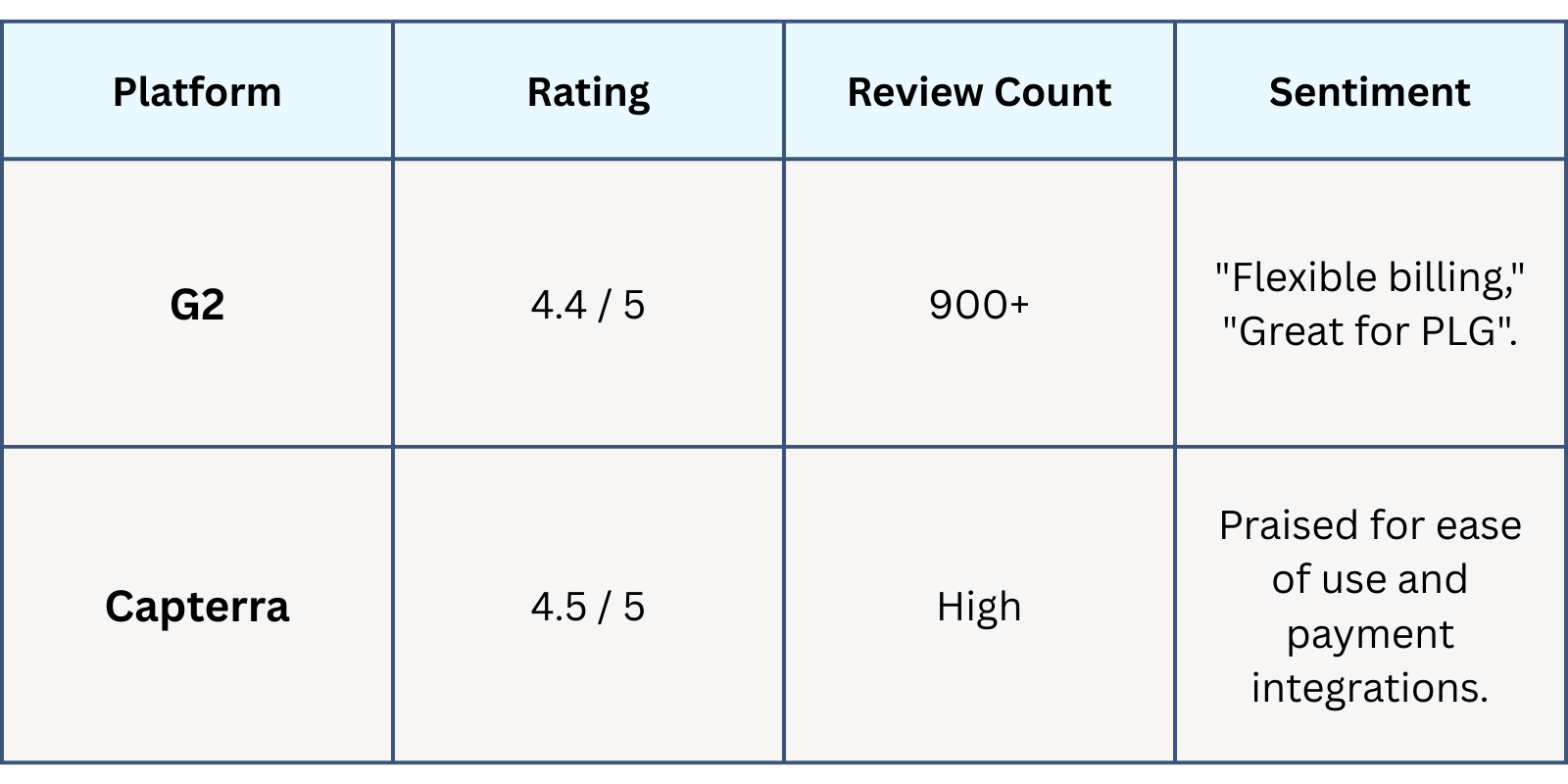
Review Data:
3. Procure-to-Pay (P2P)

Controlling burn is existential at this stage. P2P tools here focus on corporate cards and expense management to ensure every dollar is accounted for, replacing the shoebox of receipts with digital workflows.

Option 1: Ramp
Ramp has redefined this category by combining corporate cards, expense management, and bill pay into a single platform that actively tries to reduce spend. It is the overwhelming favorite for modern startups due to its UX, speed, and "price intelligence" which benchmarks SaaS spend against market rates. Ramp positions itself not just as a card, but as a "finance automation platform" that pays for itself.
AI Capabilities (2026):
- Price Intelligence: AI analyzes invoices to alert you if you are overpaying for software (e.g., "You are paying 20% more for Salesforce than similar companies"), turning the finance team into savvy negotiators.
- Automated Receipt Matching: Uses AI to instantly match receipts to transactions via email/SMS, achieving near 100% compliance without human nagging.
Pros & Cons:
- Pros: Free to start (monetizes via interchange); 1.5% cashback improves margins; incredible UX; automated savings insights; strong QBO integration.
- Cons: Requires underwriting (cash balance) which can be tough for pre-seed; predominantly US-focused (though expanding).
Pricing:
- Core: $0/user/mo.
- Plus: $15/user/mo (adds advanced controls and multi-entity support).
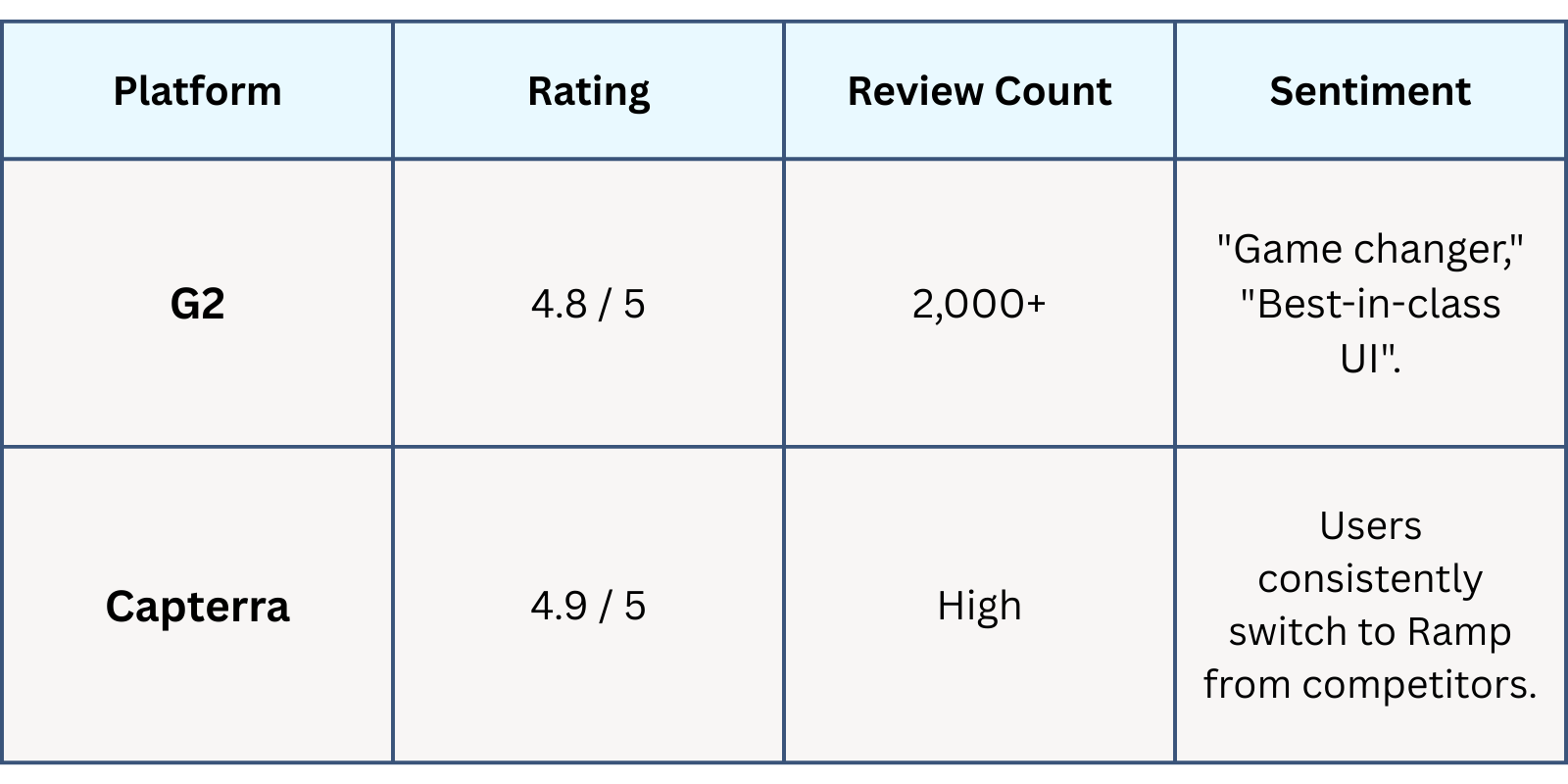
Review Data:

Option 2: Brex
Brex focuses heavily on the "Global" startup. If your early-stage company has distributed teams in Brazil, India, or Europe, Brex offers superior multi-currency card issuance and global capabilities compared to others in this bracket. It positions itself as an "Enterprise-grade financial stack" available to startups, aiming to grow with them from seed to IPO.
AI Capabilities (2026):
- Brex Assistant: An AI agent that allows employees to ask questions like "What is the travel policy for Tokyo?" or "Do I have budget for this software?" and get instant policy-compliant answers, reducing friction for the finance team.
Pros & Cons:
- Pros: Global card issuance is best-in-class; higher credit limits for venture-backed startups (no personal guarantee); integrated travel booking.
- Cons: Rewards program has shifted focus; "Empower" software tier has costs associated with it, making it less of a "free" tool than before.
Pricing:
- Essentials: $0/user/mo.
- Premium: ~$12/user/mo.Review Data:
Review Data:
.png)

Option 3: Airbase
Airbase (now part of Paylocity) positions itself as a robust "Guided Procurement" platform for the mid-market that scales down to early stage. Unlike Ramp/Brex which started as cards, Airbase started as a spend management workflow tool. It is ideal for startups that need strict approval workflows (e.g., "All software over $5k needs CTO approval") from Day 1 and value deeply integrated bill pay over simple card swipe capabilities.
AI Capabilities (2026):
- Guided Procurement: AI routing of requests based on category, amount, and department to ensure the right approvals happen without bottlenecks, effectively automating the purchasing policy.
Pros & Cons:
- Pros: Deepest accounting integrations (NetSuite/Sage ready); comprehensive bill pay and purchase order (PO) support; strong cashback options.
- Cons: Implementation is heavier than Ramp; pricing is typically a SaaS fee + interchange (less "free" capability), creating a barrier for very small teams.
Pricing:
- Custom/Quote-based. Generally aimed at companies ready to pay for software control.
Review Data:
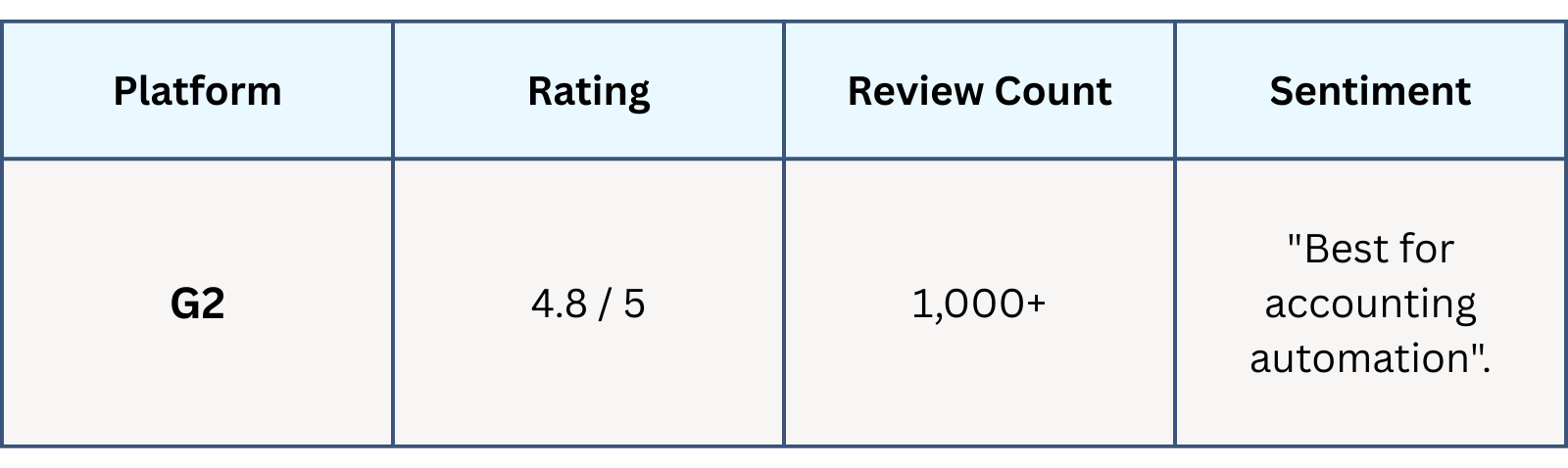
4. FP&A (Financial Planning & Analysis)

An entire 100 page manual could be written for FP&A tools, as the proliferation of vendors over the past decade has exploded into the hundreds. The goal here is to move away from "Excel Hell." Early-stage FP&A tools connect to your ERP to provide rolling forecasts and budget-vs-actuals (BvA) without manual data dumps.

Option 1: Jirav
Jirav is built specifically to bridge the gap between QBO/Xero and a financial model. It uses a driver-based modeling approach that is templated for SaaS (e.g., headcount drivers, CAC drivers). It is arguably the "fastest time to value" for generating a board deck package, designed for the finance leader who needs a professional output without building a model from scratch.
AI Capabilities (2026):
- AI Budgeting: Predictive algorithms that suggest baseline budgets based on historical run rates.
- Smart Hiring Plans: Models workforce costs automatically including taxes and benefits based on role and location, simplifying one of the biggest budget lines.
Pros & Cons:
- Pros: Fast setup; excellent visualization/dashboards; strong pre-built templates for SaaS reduce modeling time.
- Cons: Can feel rigid if you have a highly non-standard business model that doesn't fit their templates.
Pricing:
- Starts at ~$1,667/mo (billed annually) for the Professional tier.
Review Data:
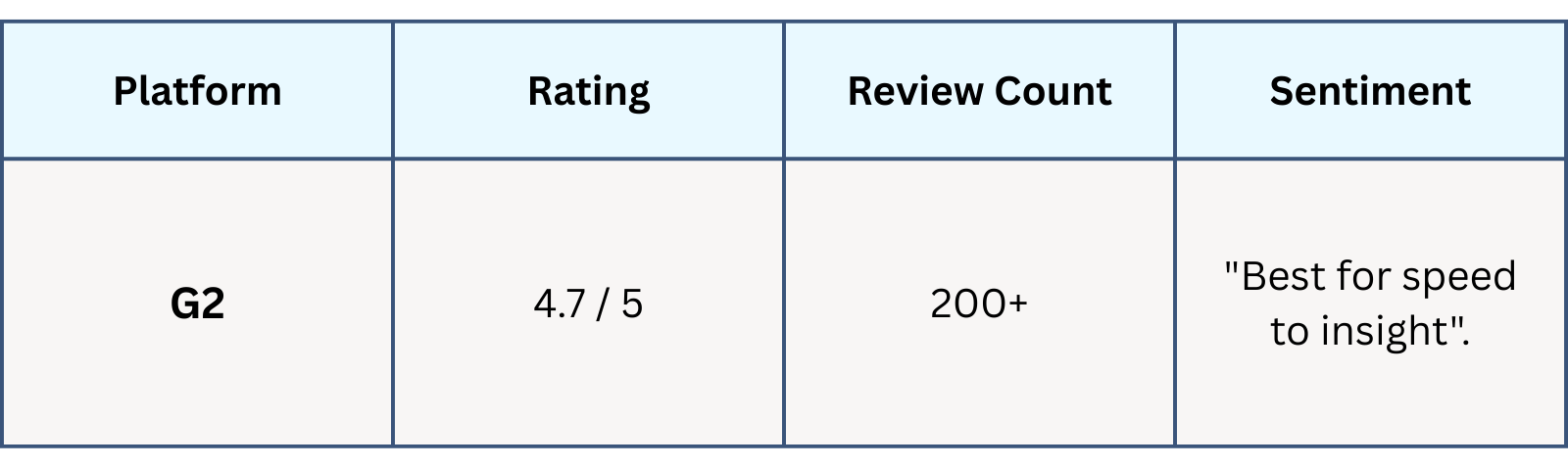

Option 2: Causal
Causal replaces the spreadsheet interface with a multi-dimensional modeling environment. It feels like "Notion for Numbers." It is ideal for founders and finance leads who want to build complex, probabilistic models (e.g., "What is our runway if sales grow 10% vs 20%?") and share interactive dashboards with investors. It treats modeling as a variable-based exercise rather than a cell-based one.
AI Capabilities (2026):
- AI Modeling Assistant: You can write plain text (e.g., "Create a revenue forecast based on 5 sales reps ramping up over 3 months") and Causal builds the formulas and visual blocks for you, democratizing complex modeling.
Pros & Cons:
- Pros: Incredible visualization; handles uncertainty/ranges (Monte Carlo simulations); very modern UX appealing to tech-forward founders.
- Cons: Learning curve for the "variable-based" modeling (vs. cell-based); less rigid accounting structure than Jirav.
Pricing:
- Launch: ~$250/mo.
- Growth: Custom/Quote.Review Data:
Review Data:
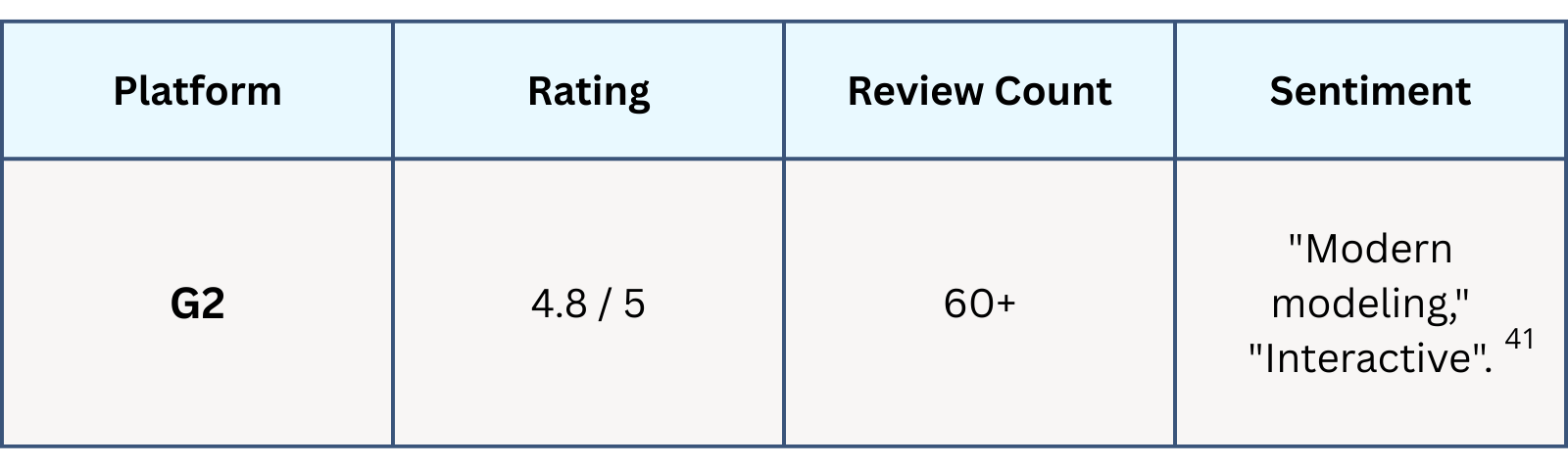

Option 3: Datarails
Datarails acknowledges that "Finance loves Excel." Instead of replacing Excel, it wraps a database and workflow engine around your existing spreadsheets. If your team has complex models they refuse to rebuild in a new system, Datarails connects them to the ERP source data automatically, preserving the flexibility of Excel while adding the control of software.
AI Capabilities (2026):
- Genius AI: An AI chat interface where you can ask "Why did Q3 marketing spend variance increase?" and it analyzes the underlying Excel data to provide a narrative answer, essentially acting as an automated analyst.
Pros & Cons:
- Pros: Zero learning curve (it's just Excel); high flexibility; automates the "data dump" process from ERPs.
- Cons: Can perpetuate "bad" spreadsheet habits if models aren't clean; typically higher price point than Causal/Jirav.
Pricing:
- Starts ~$24,000/year (Custom quote required).
Review Data:
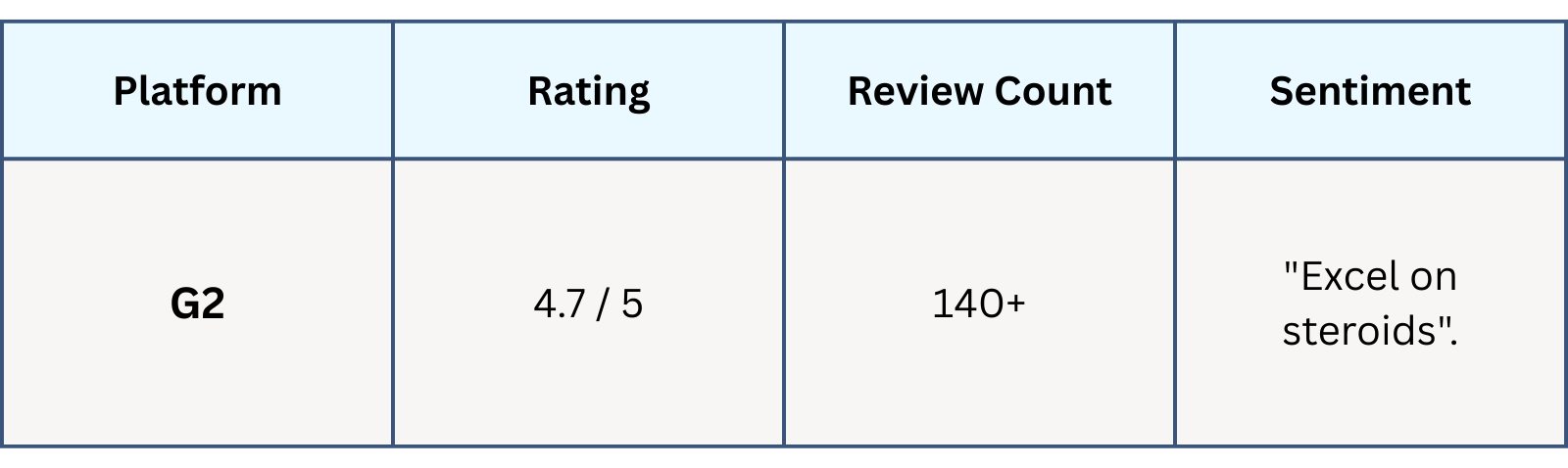
Equity Management
Managing the Cap Table is a critical finance function. The wrong tool here leads to legal bills, messed up 409As, and angry employees.
.png)

Option 1: Carta
Carta is the market utility. It holds the vast majority of private company cap table data. If you are venture-backed, your investors likely expect Carta. It offers an end-to-end suite from issuance to 409A valuations to liquidity/tender offers, effectively becoming the "central bank" for private equity.
Review Data:
- G2: 4.5 / 5 (Strong market leader).
- Pros: Investor standard; robust 409A team; liquidity products.
- Cons: Pricing can increase significantly with scale; support has been mixed at times.

Option 2: Pulley
Pulley is the "Founder-Friendly" challenger. It is growing rapidly by offering better pricing, faster 409A turnarounds, and robust modeling tools for founders (e.g., "What happens to my dilution if I raise $5M on $20M pre?"). It is aggressively targeting early-stage startups and Web3 companies with a philosophy of transparency and speed.
Review Data:
- G2: 4.7 / 5 (High satisfaction).
- Pros: Fast support; transparent pricing; great modeling tools.
- Cons: Less network effect than Carta (though growing).

Option 3: Shareworks (Morgan Stanley)
Shareworks (formerly Solium) is the enterprise choice, particularly for companies approaching IPO or public companies. It handles complex global equity plans, ESPPs, and cross-border tax withholding better than startup-focused tools. It is the bridge to the public markets.
Review Data:
- G2: 3.8 / 5.
- Pros: Bank-grade compliance; global capabilities; public market ready.
Cons: Complex UI; geared towards administrators rather than founders.
.png)
Want to see a demo?
we offer a 14-day free trial.